A tumble off a scooter, a collision during sports, or one unexpected bite into something hard can turn an ordinary afternoon into a stressful dental situation. When a child chips, cracks, or breaks a tooth, parents often have the same question: does this need attention right now? In many cases, the safest choice is to contact an emergency pediatric dentist in Grapevine, TX promptly so the tooth, surrounding tissues, and your child’s comfort can be evaluated.
Even when a broken tooth does not cause severe pain, the damage may be deeper than it looks. A fracture can expose sensitive layers of the tooth, irritate the nerve, or create a rough edge that bothers the tongue or cheek. Depending on the extent of the injury, treatment may range from smoothing or restoring the tooth to protecting it with a pediatric dental crown. The goal is to relieve discomfort, protect the tooth, and help your child return to eating, speaking, and smiling comfortably.
What Counts as a Broken or Chipped Tooth Emergency?
Not every tiny chip requires the same level of urgency. However, parents should take any new dental injury seriously because children may have trouble describing exactly what they feel. A small enamel chip may seem minor, while a deeper crack can cause sensitivity, pain with pressure, or bleeding from the center of the tooth.
Call a pediatric dentist promptly if your child has a visible fracture, a tooth that looks shorter or jagged, sudden sensitivity after an injury, pain when biting, bleeding around the tooth, or a tooth that has changed position. It is also important to call if the tooth looks normal but your child continues to complain of pain after a fall or impact. Sometimes the supporting tissues around the tooth are injured even when the outer surface appears intact.
A dental injury can involve a baby tooth or a permanent tooth. That distinction matters because treatment goals are different. Baby teeth help children chew, speak, and hold space for developing permanent teeth, so an injured primary tooth still deserves professional evaluation. Meanwhile, a damaged permanent tooth may need fast stabilization to improve the chance of preserving it for the long term.
What Parents Should Do Right After the Injury
First, check your child for injuries beyond the mouth. If there was a hard fall, collision, or blow to the head, look for signs that medical care may be needed. Dental treatment is important, but head injuries, possible jaw fractures, breathing difficulty, or uncontrolled bleeding should be treated as medical emergencies.
If the concern appears limited to the mouth, have your child rinse gently with water if they are old enough to do so safely. Use a clean cloth or gauze with gentle pressure if there is minor bleeding. A cold compress on the outside of the cheek can help with swelling and tenderness. If you find a broken piece of the tooth, place it in a clean container and bring it to the dental visit. Do not attempt to glue or attach the piece at home.
Next, call the pediatric dentist and describe what happened. Let the team know whether the injured tooth is a baby tooth or permanent tooth if you know, whether there is bleeding, whether the tooth feels loose or displaced, and how much pain your child is experiencing. These details help the dental team decide how quickly your child should be seen and what you can do on the way to the office.
Signs Your Child Should Be Seen Quickly
Some broken teeth are more urgent than others. A child should receive prompt dental attention when the fracture causes significant pain, when a large portion of the tooth is missing, when the center of the tooth appears red or pink, or when the tooth has shifted out of its normal position. A tooth that becomes very loose after trauma also deserves timely evaluation.
Swelling is another important sign. Mild puffiness immediately after a bump may be related to the injury, but increasing facial swelling, fever, worsening pain, or a bad taste in the mouth can suggest infection. If swelling affects breathing or swallowing, spreads rapidly, or is accompanied by signs of serious illness, seek emergency medical care rather than waiting for a dental appointment.
Parents should also pay attention to changes that develop later. A traumatized tooth can sometimes darken, become sensitive, or develop swelling days or weeks after the original accident. Therefore, follow-up is important even if your child seems comfortable after the first visit.
How an Emergency Pediatric Dentist Evaluates a Broken Tooth
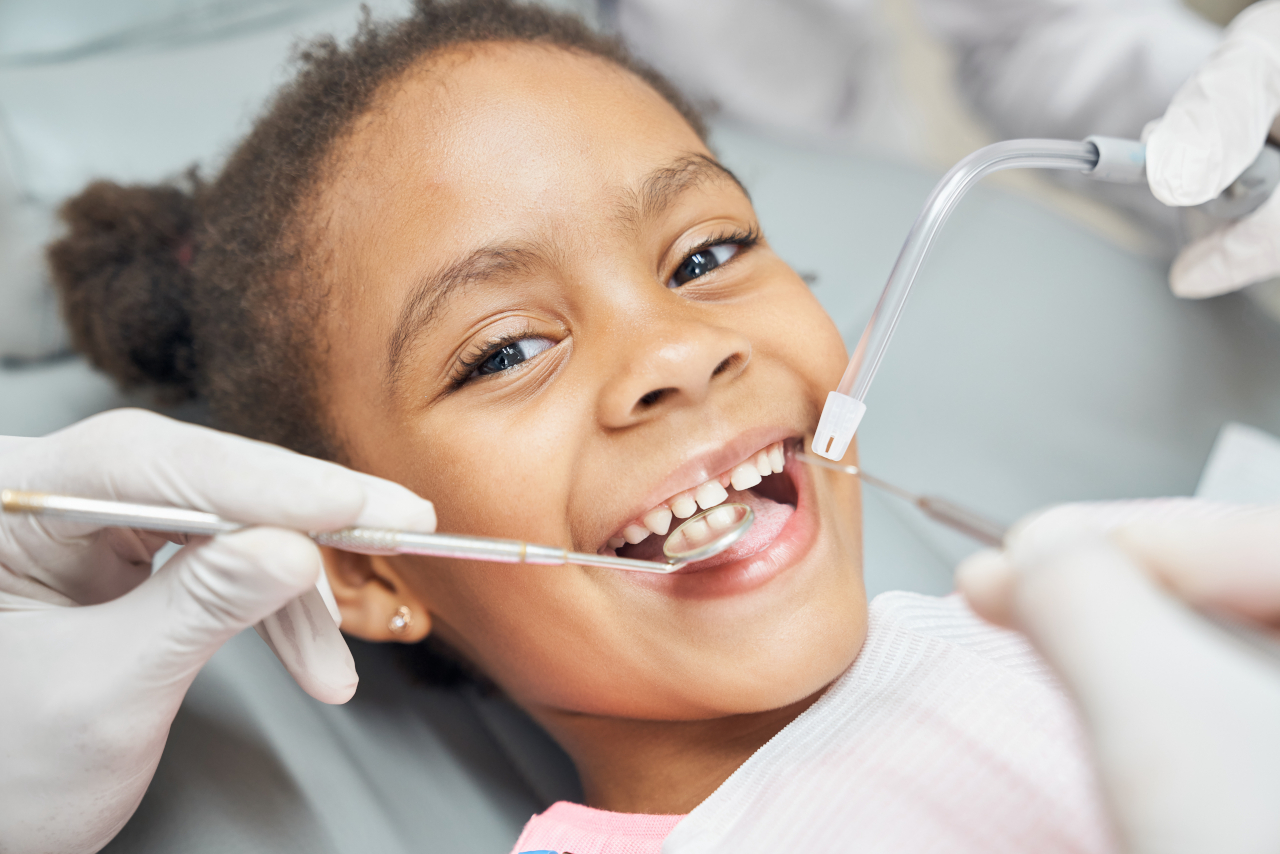
At an emergency visit, the first priority is helping your child feel safe and comfortable. The dentist will ask how the injury happened, when it occurred, and whether your child has symptoms such as pain, sensitivity, or an altered bite. A gentle examination can show whether the tooth is chipped, cracked, loose, displaced, or injured below the gumline.
Dental imaging may be recommended when the dentist needs to see the root, surrounding bone, or developing permanent teeth. This can be especially helpful when the visible damage does not tell the whole story. The dentist can then explain the findings in clear terms and recommend the least complicated treatment that can safely protect the tooth.
For a minor chip, the solution may be simple smoothing or a tooth-colored repair. Deeper fractures may require a restoration, protective crown, or other treatment based on the tooth involved and the depth of the injury. If the tooth has moved, the dentist may need to reposition or monitor it. Every situation is different, especially in growing children, so an individualized exam matters.
Benefits of Emergency Pediatric Dental Care
- Faster pain relief: Prompt evaluation can identify the source of discomfort and allow the dental team to begin appropriate treatment sooner.
- Protection of the injured tooth: Early care may help prevent a crack, fracture, or loose tooth from becoming more difficult to treat.
- Assessment of hidden damage: A pediatric dentist can check the root, gums, bite, and surrounding tissues, not just the visible chip.
- Age-appropriate treatment: Baby teeth and permanent teeth are managed differently, and a pediatric dental team can plan care around your child’s stage of development.
- Reduced stress for children: A child-focused approach can make an unexpected dental visit feel more manageable during an already stressful day.
- A clear follow-up plan: Parents leave knowing what symptoms to watch for and when the injured tooth should be checked again.
Can a Broken Baby Tooth Be Saved?
Often, yes, but the answer depends on the location and depth of the fracture, the age of the child, and how close the baby tooth is to falling out naturally. A small chip may require little treatment, while a larger fracture may need restoration or protection. In other cases, removing a severely damaged baby tooth may be the safest option.
Parents sometimes assume that a baby tooth does not matter because another tooth will eventually replace it. However, primary teeth do important work while they are present. They support chewing and speech, and they help maintain space for permanent teeth. For that reason, it is best to let a pediatric dentist determine whether the injured tooth should be repaired, monitored, or removed.
What If the Broken Tooth Is a Permanent Tooth?
A broken permanent tooth deserves prompt attention because it is meant to last for decades. The dentist will look at how much tooth structure was lost and whether the fracture reached the sensitive inner portion of the tooth. Treatment may involve bonding, a restoration, a crown, or another procedure designed to preserve healthy tooth structure whenever possible.
Timing can matter after trauma. Furthermore, an injured permanent tooth may require follow-up even after it has been repaired. The dental team may monitor color, sensitivity, root development, and the tissues around the tooth over time. Keeping those follow-up appointments gives the dentist a chance to identify changes before they become more uncomfortable or complicated.
Helping Your Child Stay Calm During an Emergency Visit
Children often take emotional cues from the adults around them. You do not need to pretend that nothing happened, but using simple, calm language can help. Try telling your child that the dentist is going to check the tooth and help it feel better. Avoid predicting that a shot, extraction, or other procedure will be necessary before the dentist has completed the exam.
If your child has significant dental anxiety, sensory sensitivities, or difficulty tolerating treatment, tell the office before you arrive. Tooth Story Pediatric Dentistry offers pediatric dental sedation options for children who need additional support during certain procedures. The appropriate approach depends on the treatment, health history, age, and individual needs of the child.
How to Reduce the Risk of Broken Teeth
Accidents cannot always be prevented, especially with active children. Still, a few habits can lower the chance of dental trauma. Children who participate in contact or collision sports should use appropriate protective equipment, including a well-fitting mouthguard when recommended. Discourage chewing on ice, pencils, hard candy, and other objects that can crack teeth.
Routine dental visits also play a role. A dentist can identify weakened enamel, cavities, or existing restorations that may need attention before they break. In addition, regular exams give families a dental home to call when an urgent problem occurs. Knowing who to contact can make an unexpected injury much easier to navigate.
When a Hospital Emergency Room Is the Better Choice
A dental office is usually the right place for an isolated broken or chipped tooth, but some injuries need emergency medical evaluation first. Go to an emergency department or call emergency services for difficulty breathing, trouble swallowing, uncontrolled bleeding, a suspected jaw fracture, loss of consciousness, serious head injury symptoms, or rapidly increasing facial swelling.
After medical concerns are stabilized, dental follow-up may still be needed. The emergency room can address serious injuries and medical complications, while a pediatric dentist can evaluate the tooth and surrounding dental structures. When in doubt, call the dental office and describe the situation so the team can help direct you appropriately.
Frequently Asked Questions About Broken Teeth in Children
Does every chipped tooth need an emergency visit?
Not every tiny chip requires immediate treatment, but it is wise to call a pediatric dentist after a new dental injury. The dentist can help determine urgency based on pain, the size of the fracture, bleeding, looseness, and whether the tooth is a baby tooth or permanent tooth.
What should I do with a piece of tooth that broke off?
Place the fragment in a clean container and bring it with you. Do not scrub it aggressively and do not try to glue it back onto the tooth yourself. The dentist can determine whether the fragment is useful for treatment.
Can my child eat after breaking a tooth?
If your child is comfortable and there are no other injuries, choose soft foods and avoid chewing on the injured side until the tooth has been evaluated. Very hot, cold, crunchy, or sticky foods may increase sensitivity or place more pressure on the damaged tooth.
Why did my child’s tooth turn darker after an injury?
A color change can occur after dental trauma and may indicate changes inside the tooth. It does not automatically tell you what treatment is needed. Contact the pediatric dentist so the tooth can be examined and monitored appropriately.
Who should I call for a broken tooth in Grapevine?
For an isolated dental injury, contact a pediatric dental office that provides urgent care for children. Tooth Story Pediatric Dentistry in Grapevine can evaluate broken teeth, tooth pain, and other pediatric dental emergencies and advise you on the appropriate care plan.
Get Help for Your Child’s Dental Injury in Grapevine
A broken tooth can be upsetting, but knowing where to turn makes the situation easier to manage. Prompt pediatric dental care can relieve discomfort, identify hidden damage, and create a treatment plan designed for your child’s developing smile.
If your child has chipped, cracked, or broken a tooth, contact Tooth Story Pediatric Dentistry in Grapevine, TX at (817) 778-0224. Call Us Today for guidance and to arrange an urgent dental evaluation.